Google 推出改进版 SynthID AI 内容检测器,现已全球可用
英文标题:Google rolls out improved SynthID AI content detector, now available globally
Google 推出了新版 SynthID 检测网站,可识别来自 Google、OpenAI 等支持厂商的 AI 内容水印。该工具需登录使用,支持 Google、OpenAI 和 Apple 账户,每位用户每天大约可进行 10 次图像、视频和音频检测。由于许多 AI 模型并未采用 SynthID 或任何水印,该工具无法识别所有 AI 生成内容;Google 也承认主动水印并非完美方案。对开发者和行业而言,SynthID 提供了一个集中核验主流 AI 内容标记的入口,但 C2PA 等用于为真实媒体加密签名的技术,可能是更具长期价值的补充路径。
 42.2 KB
 162.5 KB
 111.7 KB
 1.2 MB
 701.1 KB
 156.3 KB
 2.4 KB
 29.3 KB
中文
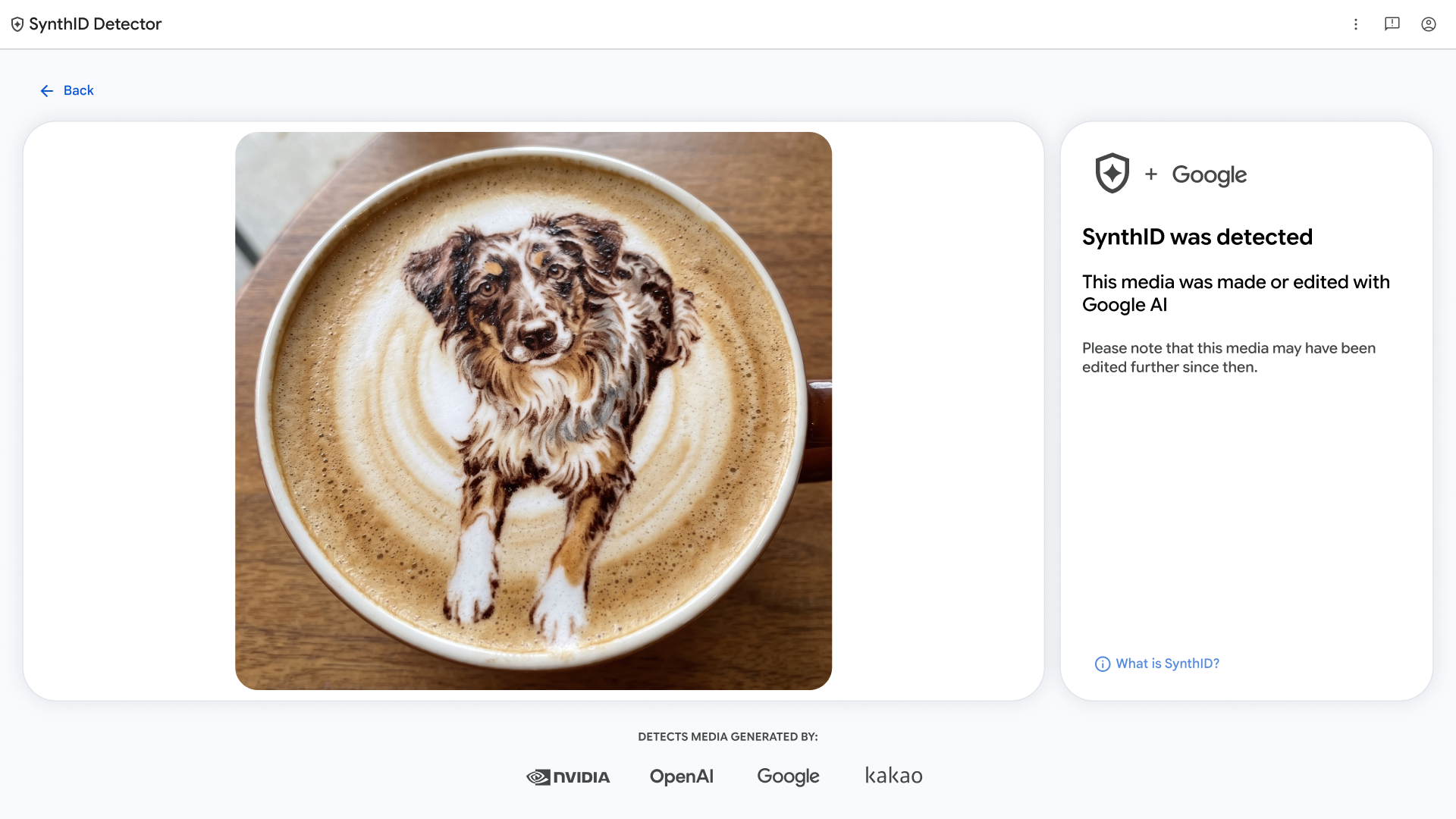
新版 SynthID 检测器会在检测到任何受支持公司水印时告知用户。
图片来源:Google
新版 SynthID 检测器会在检测到任何受支持公司水印时告知用户。图片来源:Google
你必须登录才能使用该工具,但它支持 Google、OpenAI 和 Apple 账户。虽然任何人都可以使用该检测器,但登录要求限制了使用次数。Google 表示,每位用户可获得“每天大约 10 次图像、视频和音频检测的使用配额”。
此前的检测工具也有类似限制。Google 工程师曾告诉 Ars,限制访问是为了防止人们利用检测结果开发移除 SynthID 的工具。对具体次数表述模糊,可能是因为如果你检测多张彼此非常相似的图像,系统可能会更早限制你的访问。这可能意味着有人正试图调校绕过检测的工作流。
标记的谎言
扩大 SynthID 检测能力的访问范围是件好事——它为检查媒体是否带有热门 AI 工具的标记提供了一个便捷的一站式入口。不过,Google 的合作伙伴远非 AI 内容的唯一来源。
一些模型提供商使用不同的水印技术(例如 Meta),另一些则完全不使用水印。此外,还有开放权重模型,人们可以在自己的硬件上运行它们,生成愈发逼真的 AI 内容,而这些内容甚至不包含简单的元数据标记。
这意味着,大量 AI 内容不会被 SynthID 工具识别为 AI 生成内容。该网站也会附带相应免责声明。即使 Google 已付出努力,仍然可能有人找到移除 SynthID 的方法,从而使现有 AI 内容看起来更可信。它并非完美系统,但这正是依赖主动水印识别 AI 图像的现实;这些图像正以惊人的速度在互联网上扩散。
或许更好的方法恰恰相反——在真实图像、视频和音频创建时,就使用 C2PA 等加密技术对其进行标记。Google 的 Pixel 手机是少数正在这样做的设备之一。在此之前,SynthID 仍是你识别 AI 伪造内容的最佳选择。
English / 原文
The new SynthID detector will tell you if it detects a watermark from any of the supported companies.
Credit: Google
The new SynthID detector will tell you if it detects a watermark from any of the supported companies. Credit: Google
You have to log in to use the tool, but it supports Google, OpenAI, and Apple accounts. While the detector is available to anyone, the login requirement limits how much you can use it. Google says each user gets “a daily usage quota of approximately 10 image, video, and audio checks.”
The previous detection tools had a similar limit. Google engineers have told Ars that limiting access is necessary to prevent people from using the checks to develop SynthID removal tools. The fuzziness about the exact number is likely because the system may lock you out sooner if you’re checking multiple images that are very similar. This could signal someone is trying to tune a bypass workflow.
Labeling lies
Expanding access to SynthID detection is a good thing—it’s a convenient single destination to check media for the signature of popular AI tools. However, Google’s partners are far from the only sources of AI content.
Some model providers use different watermarking tech (like Meta), while others use no watermarks at all. And then there are open-weight models that people can run on their own hardware to produce increasingly realistic AI content that doesn’t even include simple metadata labeling.
That means there is plenty of AI content that will not be identified as AI in the SynthID tool. The website will have a disclaimer saying as much. It’s also plausible that despite Google’s efforts, someone will find a way to remove SynthID, making existing AI content look more legit. It’s not a perfect system, but that’s the reality of relying on proactive watermarking for AI images, which are proliferating across the Internet at an astonishing rate.
The best approach might be the opposite—using cryptographic technologies like C2PA to label real images, video, and audio as they are created. Google’s Pixel phones are among the few devices doing just that. In the meantime, SynthID is the best bet you’ve got to identify AI fakes.