Google Pay 最新更新:迈向智能代理商务,推出通用商务协议与 MCP 服务器
英文标题:The latest updates to Google Pay
在 Google I/O 上,Google Pay 发布了一系列面向智能代理商务的更新。推出了通用商务协议(UCP),允许现有集成无需重建即可支持 AI 购物体验,并发布了 Google Pay & Wallet 开发者 MCP 服务器(公开预览),可帮助 AI 代理管理集成与调试。Android 端新增动态回调实现一键快速结账,支付支持已扩展到社交应用。还引入了卡片资金来源信号、澳大利亚 eftpos 路由、商户发起交易的生命周期通知和跨设备认证等工具,以提升授权率与转化率。这些更新将帮助开发者迎接 AI 时代的商务机遇。
 11.7 KB
 126.8 KB
 53.9 KB
中文

在 Google I/O 大会上,我们探讨了 Google Pay 如何面向智能代理商务时代不断演进。我们分享了许多面向 Google Pay 开发者平台的强大新功能,旨在促进商务活动、简化结账漏斗并提供出色的用户体验。
请阅读以下我们在活动中探讨的内容摘要,重点介绍帮助您优化结账体验和达成业务目标的最新工具;您也可以观看我们在 YouTube 上的会议录播:
What's new in Google Pay and Google Wallet
为智能代理商务做好准备
我们深知您已在支付体系中所投入工作的价值。为帮助您过渡到 AI 驱动的购物时代,您现有的 Google Pay 后端和当前商户 ID 现已与新的通用商务协议(UCP)完全兼容。这意味着,您可以使用与今天相同的 Google Pay 基础设施和支付服务提供商(PSP)关系来支持新的智能代理商务体验,从而在无需重建核心支付逻辑的情况下扩大覆盖范围。为进一步增强您的 AI 代理能力,我们还推出了 Google Pay 和 Wallet 开发者 MCP 服务器。它可直接集成到您偏好的开发环境中,让您的 AI 代理帮助管理集成、排查错误、分析趋势并生成代码。MCP 服务器现已在公开预览版中提供,可简化集成工作流程,加快首次交易的时间,并将在今年晚些时候正式全面推出。

图:一个由 Google Pay 和 Wallet 开发者 MCP 服务器处理的示例提示
简化 Android 结账体验
我们致力于消除买家购物旅程中的摩擦,因此我们将 onPaymentAuthorized 和 onPaymentDataChanged 回调的强大能力带到了 Android 平台,实现与 Web 平台的同等体验。借助这些动态回调,您可以将 Google Pay 按钮前移——例如直接放在商品详情页或购物车页面——以提供真正的一键快速结账体验。当用户与支付表单交互时,您可以根据其地址动态展示配送选项和总价(含税)。此外,您无需关闭支付表单即可进行交易授权、处理重试并提供即时反馈,从而帮助提升授权率和转化率。
将覆盖范围扩展至社交应用
继去年推出针对 Android WebView 的 Google Pay 支持后,我们进一步将支持扩展到社交应用。通过一次集成,您现在可以在原生 Android 应用、移动网页、桌面环境以及主流社交平台上实现无缝支付体验。
WebView 集成指南:goo.gle/pay-webview
抱歉,您的浏览器不支持播放此视频
Google Pay 在社交应用内的可用性
优化结账体验
管理处理成本是成长型企业的首要任务。我们推出了一些新工具,让您对交易路由有更高的透明度和控制力:
- 卡片资金来源信号: Google Pay API 的响应中现在包含
cardFundingSource信号,用于指示所用卡片是信用卡、借记卡还是预付卡。这允许您实施复杂的业务逻辑,例如根据卡片类型及其相关成本,在确认界面上即时应用折扣或附加费。
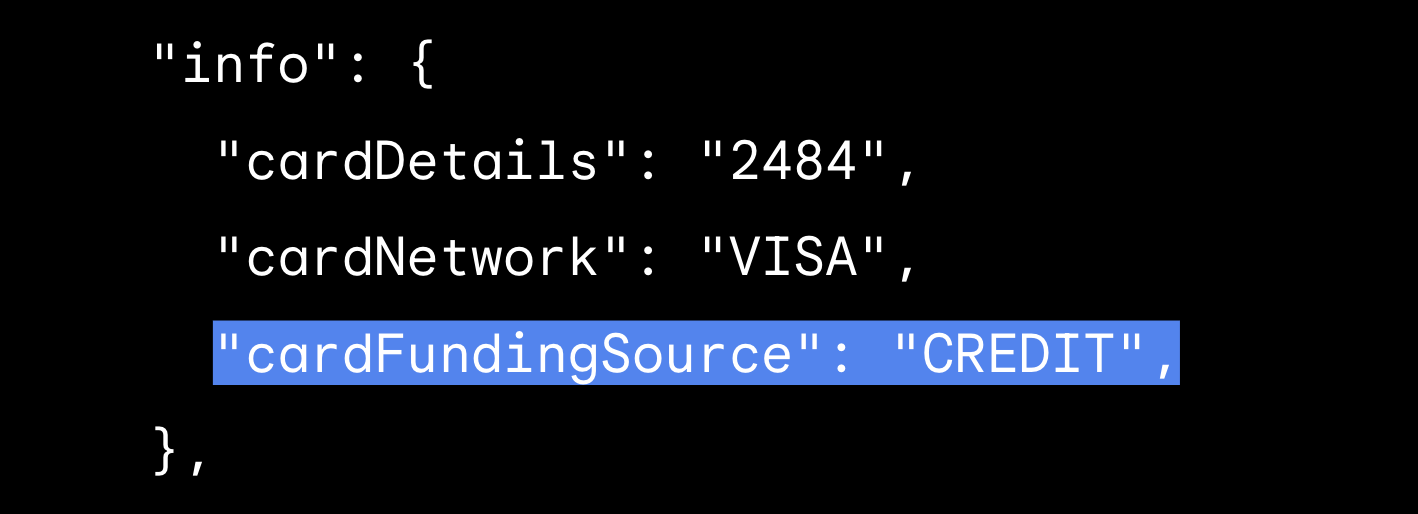
Google Pay API 新增的 cardFundingSource 响应参数
- 澳大利亚 eftpos 路由: 对于在澳大利亚运营的开发者和商户,我们正式将 eftpos 国内支付网络引入 Google Pay API。通过使用新的
merchantPreferredCobadgedCardNetworks参数,您可以明确优先选择本地网络,并动态地将交易路由到 eftpos,而无需进行繁重的后端改造。
循环计费的无缝连续性
为了更好地支持商家发起交易(MIT),当底层凭据发生变更时,您或您的 PSP 现在可以收到 Google Pay 支付令牌的生命周期通知。这些通知包含令牌的更新状态,使您能够在下一个计费周期前主动联系客户更新支付方式,确保循环交易的连续性。
开始使用:goo.gle/pay-mit-lcm
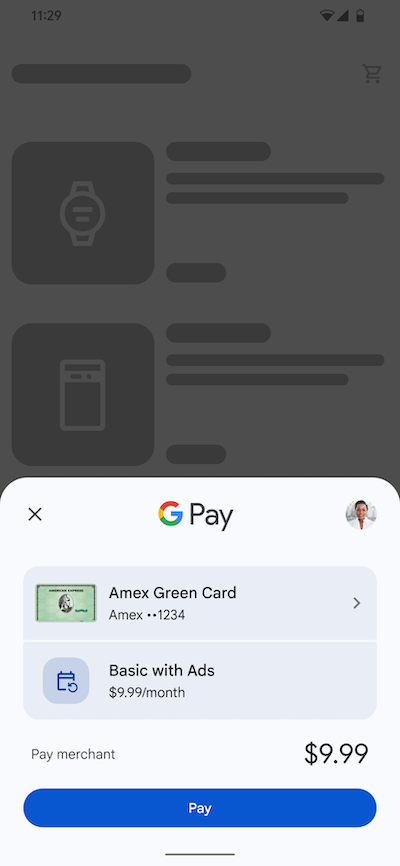
如何触发商家发起交易的示例
跨设备认证
桌面端仍然是关键阵地,而摩擦——尤其是多因素认证(MFA)的强制要求——可能导致购物车放弃。为帮助解决这一问题,我们推出了跨设备认证功能,将高摩擦的桌面结账转移到安全、以移动为先的认证流程中。
对于桌面网站上符合条件的交易,系统会提示用户通过安全通知或二维码在手机上进行认证。随后,客户可以使用可信 Android 设备上熟悉的生物识别解锁或 PIN 码来批准支付,这是替代短信 OTP 或繁琐重定向的更简单方式。这提供了对 MFA 合规性的内置支持,有助于提高转化率,并利用 Google Pay 安全的令牌化凭据帮助您实现欺诈责任转移。
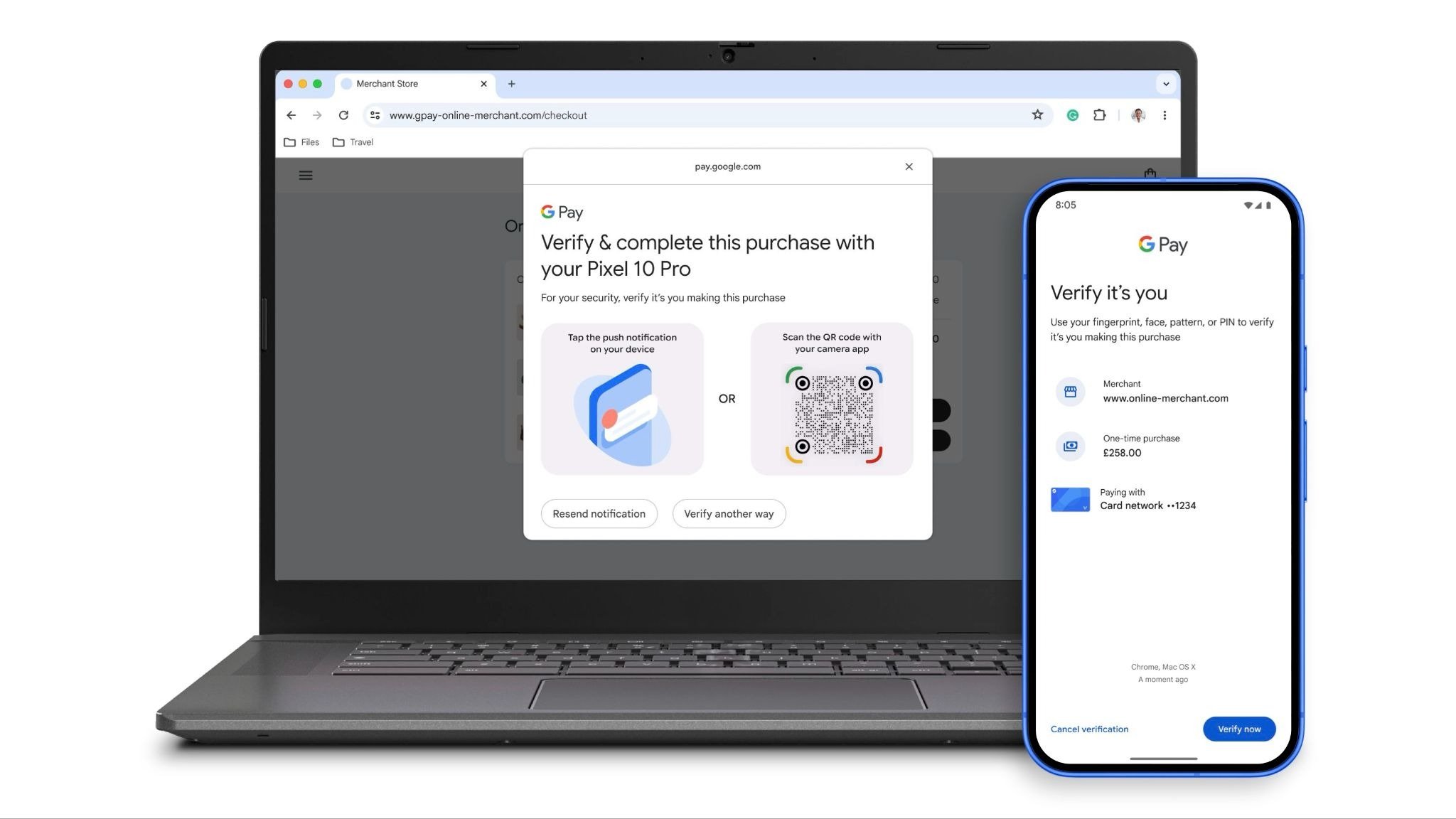
Google Pay 的跨设备身份验证流程
开始使用 Google Pay
这是成果丰硕的一年,我们期待看到您的下一步创新。请查阅我们的开发者文档,并立即开始 Google Pay 集成,为未来的智能代理体验做好准备。
在 X 上关注 @GooglePayDevs 以获取未来更新。
在 io.google 上探索本公告及所有 Google I/O 2026 更新。
English / 原文
At Google I/O, we explored how Google Pay is evolving for the era of agentic commerce. We shared a variety of powerful new capabilities for the Google Pay developer platform, designed to facilitate commerce, streamline your checkout funnel, and deliver exceptional user experiences.
Read on for a summary of what we covered during the event, focusing on the latest tools designed to help you optimize your checkout experiences and reach your business goals or check out the recording of our session on YouTube:
What's new in Google Pay and Google Wallet
Preparing for Agentic Commerce
We know the value of the work you’ve already put into your payment stack. To help you transition into the era of AI-powered shopping, your existing Google Pay backend and current Merchant ID are now fully compatible with the new Universal Commerce Protocol (UCP). This means you can power new, agentic commerce experiences using the same Google Pay infrastructure and payment service provider (PSP) relationships you use today, extending your reach without rebuilding your core payment logic. To further superpower your AI agents, we also unveiled the Google Pay & Wallet Developer MCP server. It integrates directly into your preferred development environment, enabling your AI agents to help manage integrations, troubleshoot errors, analyze trends, and generate code. Available today in Public Preview, the MCP server simplifies integration workflows to accelerate your time to the first transaction, and it will graduate to general availability later this year.
Get started at: goo.gle/pay-wallet-mcp
figure A sample prompt handled by the Google Pay and Wallet Developer MCP Server
Streamlining the Android Checkout Experience
We are committed to removing friction from the buyer's journey, which is why we are bringing the power of the onPaymentAuthorized and onPaymentDataChanged callbacks to Android, achieving parity with our web platform. With these dynamic callbacks, you can move the Google Pay button upstream—such as directly on Product Detail or Cart pages—to offer a true 1-click Express checkout experience. As users interact with the payment sheet, you can dynamically present shipping options and total prices (including taxes) based on their address. Furthermore, you can authorize transactions, handle retries, and deliver instant feedback without closing the payment sheet, helping you improve authorization rates and conversions.
Get started at: goo.gle/pay-android-dpu
Expanding Reach to Social Apps
Following our introduction of Google Pay support for Android WebViews last year, we are advancing our capabilities by extending support to social apps. With a single integration, you can now enable seamless payment experiences across native Android apps, the mobile web, desktop environments, and major social platforms.
WebView integration guide: goo.gle/pay-webview
Sorry, your browser doesn't support playback for this video
Google Pay availability within social apps
Optimizing Checkout Experience
Managing processing costs is a top priority for growing businesses. We are introducing new tools to give you more transparency and control over transaction routing:
- Card Funding Source Signal: The Google Pay API response now includes a cardFundingSource signal, which indicates whether the card used is Credit, Debit, or Prepaid. This allows you to implement sophisticated business logic, such as instantly applying discounts or adding surcharges on the confirmation screen based on the card type and its associated costs.
The new cardFundingSource response parameter for the Google Pay API
- Eftpos Routing in Australia: For developers and merchants operating in Australia, we are officially bringing the eftpos domestic payment network to the Google Pay API. By utilizing the new merchantPreferredCobadgedCardNetworks parameter, you can explicitly prioritize the local network and dynamically route transactions to eftpos without heavy backend lifting.
Seamless Continuity for Recurring Billing
To better support Merchant-Initiated Transactions (MITs), you or your PSP can now receive lifecycle notifications for Google Pay payment tokens when underlying credentials change. These notifications include the updated state of the token, enabling you to proactively contact customers to update their payment methods before the next billing cycle and ensuring continuity for recurring transactions.
Get started at: goo.gle/pay-mit-lcm
Example on how to trigger a merchant initiated transaction
Cross-Device Authentication
Desktop remains a critical surface where friction—particularly from Multi-Factor Authentication (MFA) mandates—can lead to cart abandonment. To help solve this, we are introducing Cross-Device Authentication, a capability that moves high-friction desktop checkouts into a secure, mobile-first authentication flow.
For qualifying transactions on your desktop site, users are prompted to authenticate on their phone via a secure notification or QR code. Customers can then approve the payment using a familiar biometric unlock or PIN on their trusted Android device, as a simpler alternative to SMS OTPs or clunky redirects. This provides built-in MFA compliance support, helps increase conversion rates, and uses Google Pay's secure, tokenized credentials to support your ability to achieve fraud liability shifts.
Cross-Device authentication flow for Google Pay
Get started with Google Pay
It's been a highly productive year, and we look forward to seeing what you build next. Take a look at our developer documentation and get started with your Google Pay integration today to set up your platform for future agentic experiences
Follow @GooglePayDevs on X for future updates.
Explore this announcement and all Google I/O 2026 updates on io.google.