航空公司竞相采用 AI“监控式定价”,廉价座位或将消失
英文标题:🔶 Airlines Race to Adopt AI 'Surveillance Pricing' That Could Kill Off Cheap Seats
全球大型航空公司正竞相利用 AI 分析数百万个变量,以动态调整机票价格,并试图在每次购票时找出乘客所能接受的最高价格。批评者认为,这种以个人“支付意愿”为核心的模式可能挤压消费者剩余,令真正的低价机票逐步消失。以 Fetcherr 为代表的技术公司正用全天候 AI 机器人替代传统收益分析师,使航空公司能够结合搜索行为、竞品价格、天气和宏观经济等数据近乎实时调价。虽然航空公司称该技术也可在低需求航线上降价,但个性化数据定价引发隐私和反垄断担忧,美国州法律与联邦贸易委员会已开始关注相关风险。
 4.3 KB
 4.4 KB
 423 B
 75.1 KB
 165.6 KB
 958 B
 2.4 KB
 66.1 KB
 135.7 KB
 141.7 KB
 1.2 KB
 50.2 KB
 111.6 KB
 118.0 KB
 163.3 KB
 52.7 KB
 105.5 KB
 110.4 KB
 1.7 KB
中文
全球最大的航空公司正在竞相率先开发并部署一种新的机票定价方式:利用人工智能分析数百万个变量,以确定机票价格。这种方式令新的机票定价系统获得了“动态定价”之名;该系统会持续评估不断变化的市场状况,包括需求、可售座位、竞争对手价格及其他因素。
所有这些数据处理的目标,是在任何时刻、针对每一趟航班,找出每位旅客愿意支付的最高价格。分析师也将其称为“痛点”(pain point)。批评者谴责这是一项反消费者举措,认为它几乎会让特价机票不复存在。
 图片来源:Shutterstock
正如彭博社报道,航空公司已经雇用分析师团队,协助构建将客户行为和市场力量纳入考量的定价模型。一个简单例子是:当某一航班的订座率达到 25% 时,票价上涨 20%。如今,随着AI 的兴起,包括 Delta Air Lines和Virgin Atlantic在内的传统航空公司,正以运营成本上升为理由,为实施动态定价辩护。
其目标是在不提供任何新增或改进产品、服务的情况下,从每一位乘客身上获取一切可能的收入,以实现利润最大化。AI 作为动态定价的驱动力,能够在极短时间内处理海量数据,从而支持复杂得多的市场分析。
尽管反消费者性质已引发警报,航空公司仍宣称,这项技术也会通过降低低需求行程的价格,为旅客节省费用。纽约 Alton Aviation Consultancy 董事总经理 Bryan Terry 向彭博社表示:
“消费者应预期,航空公司会在定价上变得更聪明:它们会在可能的情况下利用这种能力提高票价,并在有空间刺激需求的地方降低价格。”
Fetcherr:取代分析师的 AI 机器人
 图片来源:Shutterstock
从人工管理的动态定价转向AI 驱动的动态定价,代表着航空公司座位变现方式的一次巨大演进。由于人类无法同时监控数百万条航线,过去难免会出现滞后。通过以自主 AI 机器人取代人工分析师和僵化规则,航空公司如今可以实时从公开市场中榨取每一分消费者剩余。
通常,收益分析师会通过电子表格和 SQL 查询来预测需求。这些公式会将飞机客舱划分为大约两打固定票价等级,每个等级设定固定数量的座位。当某一等级的固定座位数量售罄后,价格就会上调至下一个预先设定的更高等级价格点。
以色列技术公司 Fetcherr 等企业则借助AI 大市场模型实现全天候分析。因此,机器人无需遵循价格僵化的阶梯式系统,而是能够近乎即时地调整价格。它会依据竞争对手价格更新、旅客活跃搜索行为、航线历史需求弹性、天气、宏观经济状况和当地活动等数据点作出调整。
 相关文章
Delta 的 AI 计划遭遇阻碍。
“老大哥”准备制定机票价格
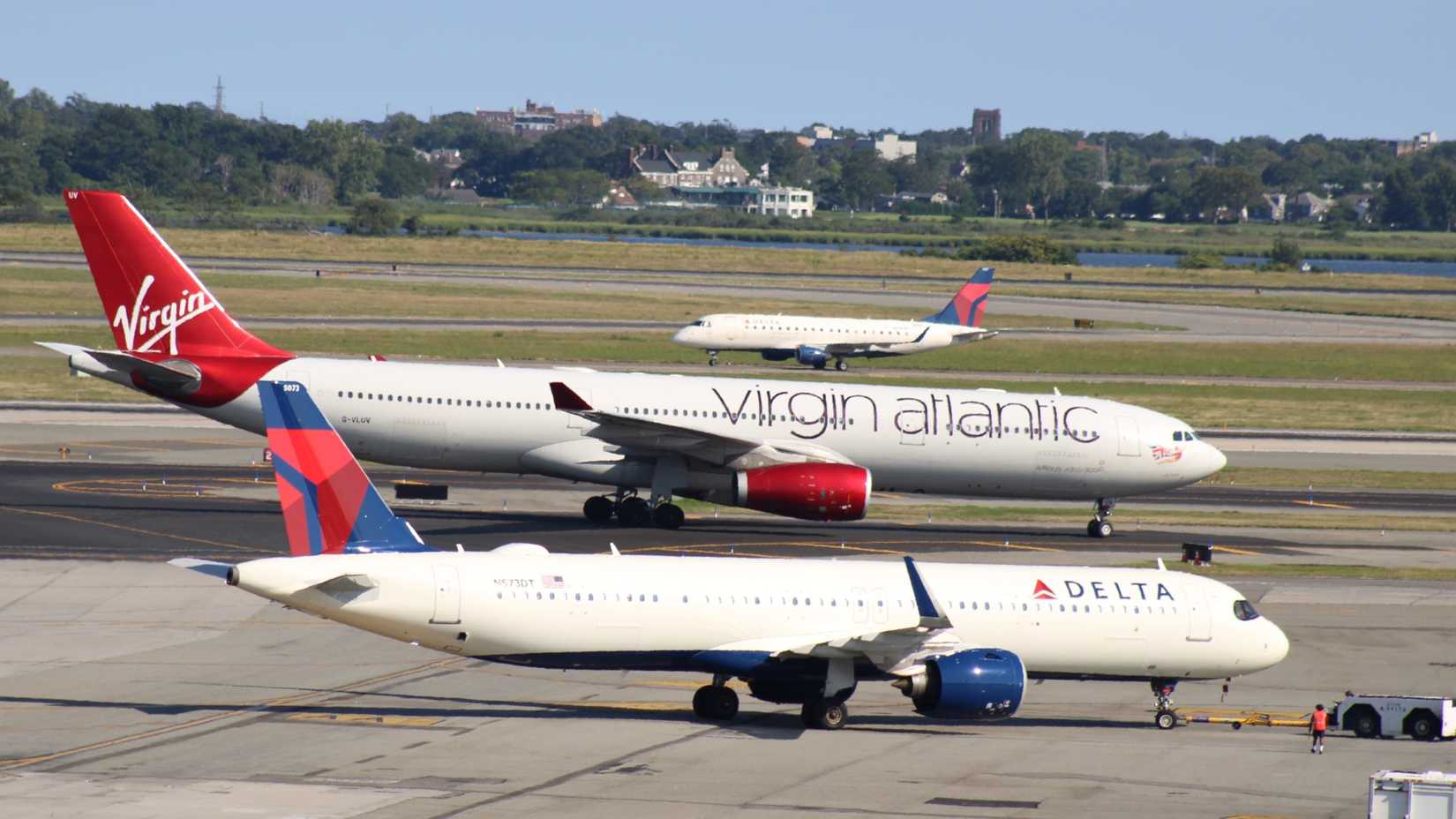 图片来源:Shutterstock
航空公司忠诚度计划已从简单的奖励工具,演变为全面的消费者数据网络。未来,当你登录旅行应用、绑定常旅客号码,或在登录忠诚度档案的状态下搜索航班时,AI 机器人便可交叉比对海量追踪数据。随后,它们将利用这些信息计算你的个人“支付意愿”价格点所能达到的最高数额。
至少 Delta 已经否认存在此类做法,但围绕该技术真实覆盖范围的猜测和担忧依然广泛存在。通过现代广告网络和数据聚合商,航空公司理论上可以将用户的电子邮件地址或设备 ID 与其他外部数据源匹配。这将使 AI 能够了解你的收入水平、近期奢侈品消费、房地产价值及一般消费习惯。
大市场模型(LMM)甚至可能追踪你的鼠标在某个特定航班选项上停留多久、你浏览价格上涨信息的速度,以及你关闭标签页前是否犹豫。目前,全面部署这项技术的唯一障碍,是美国各州的法律;正如彭博社报道,其中包括马里兰州《防掠夺性定价法》。此外,美国联邦贸易委员会已经启动民事调查,以确定航空公司是否正在利用个体化数据档案抬高消费者成本。
English / 原文
The largest air carriers in the world are in a race to be the first to develop and implement a new way of calculating airfare by harnessing millions of variables analyzed by artificial intelligence to determine airfares. This approach has earned the new airfare pricing system the name 'dynamic pricing,' which continuously evaluates changing market conditions, such as demand, available seats, competitor pricing, and other factors.
The goal of all of this data processing is to find the highest willingness-to-pay price of every individual for every flight at any given moment. Also known as the 'pain point' by analysts, it has been decried by critics as an anti-consumer move that will virtually eliminate bargain airfare from existence.
Credit: Shutterstock
As Bloomberg reported, airlines already employ teams of analysts to help with pricing models that account for customer behavior and market forces. One simple example is the practice of increasing fares by 20% once a given flight is 25% booked. Now, with the rise of AI, legacy carriers like Delta Air Lines and Virgin Atlantic are using the premise of rising operating costs to justify the implementation of dynamic pricing.
The goal is to extract all possible revenue from every single flyer without offering any new or improved products or services to maximize profit. The application of AI as the driver behind dynamic pricing makes it capable of considering a massive amount of data in a rapid time period to empower much more sophisticated market analysis.
In spite of the alarm bells raised about anti-consumerism, airlines claim this will also be used to save money for travelers on lower-demand itineraries by reducing prices as well. Bryan Terry, Managing Director at New York-based Alton Aviation Consultancy, gave this comment to Bloomberg:
“Consumers should expect that airlines will be smarter about their pricing and will exploit that capability to raise fares where possible and cut prices where they have room to stimulate demand.”
Fetcherr: The AI Bots Replacing Analysts
Credit: Shutterstock
The shift from human-managed dynamic pricing to AI-driven dynamic pricing represents a massive evolution in how airlines monetize seats. Because humans cannot monitor millions of routes simultaneously, lag times occurred. By replacing human analysts and rigid rules with autonomous AI bots, airlines can now squeeze every ounce of consumer surplus out of the open market in real time.
In general, the process for revenue analysts is conducted through spreadsheets and SQL queries to forecast demand. The formulas divide a plane's cabin into roughly two dozen fixed fare tiers with a set number of seats. When the fixed volume of seats in one tier sells out, the price steps up to the next predetermined price point on the higher tier.
Tech firms like Israel-based Fetcherr replace this with a 24/7 analysis through the power of AI large market models. As such, instead of following a step-up system with rigid pricing, the bot can adjust prices nearly instantaneously. It does so based on data points like competitor price updates, active passenger search behavior, historical route elasticity, weather, macroeconomics, and local events.
Related
Delta's AI plan hits a speed bump.
Big Brother Gets Ready To Set Ticket Prices
Credit: Shutterstock
Airline loyalty programs have evolved beyond simple rewards tools into comprehensive consumer data networks. In the future, when you log into a travel app, link your frequent flyer number, or search for flights while connected to a loyalty profile, AI bots can cross-reference vast amounts of tracking data. They will then use that information to calculate the maximum figure of your individual 'willingness to pay' price point.
Delta, at least, has denied any such practices, but speculation and concern abound about the true scope of the technology. Through modern advertising networks and data aggregators, airlines could theoretically match a user's email address or device ID to other external data sources. This gives the AI visibility into your income bracket, recent luxury purchases, real estate values, and general spending habits.
LMMs may even track exactly how long your mouse hovers over a specific flight option, how quickly you scroll past a price increase, and whether you hesitate before closing a tab. Currently, the only obstacles to the full-scale rollout of this technology are state laws in the US, such as Maryland's Protection from Predatory Pricing Act, as Bloomberg reported. Additionally, the Federal Trade Commission has begun a civil investigation into whether airlines are leveraging individualized data profiles to hike consumer costs.