Meta 推出 Muse Glimmer 开放权重 Agent 模型
英文标题:Introducing Muse Glimmer
Meta 发布了 300 亿参数的 Muse Glimmer,并以 Apache 2.0 许可证开放模型权重。该模型主打端到端 Agent 任务完成、可靠工具调用和多步推理,在 DeepSearch QA、MCP-Atlas、𝛕-Bench 与 SWE-Bench 等基准上取得较强表现。作者在 LM Studio 中运行了 18.16 GB 版本,并使用 llm-coding-agent 对 Datasette 代码库进行了工具调用测试。作为视觉模型,Glimmer 还能理解图像内容;其体量也使其适合在拥有 32 GB 及以上内存的本地设备上运行。
 28.8 KB
 48.6 KB
中文
介绍 Muse Glimmer(来源)Meta 重返开放权重模型赛道!Muse Glimmer 是一款全新的 300 亿参数模型,采用清晰的 Apache 2.0 许可证发布(相比早年那些不那么友好的 Llama 许可证,这是一个进步)。
他们称,该模型针对我正在寻找的本地模型能力进行了优化:
- 端到端 Agent 任务完成。 Muse Glimmer 在 DeepSearch QA、MCP-Atlas、𝛕-Bench 和 SWE-Bench 等完整任务基准上实现了较高的成功率;这些基准衡量其在脚手架环境中工作、编写和调试代码,以及从头到尾解决多轮请求的能力。
- 可靠的工具使用。 该模型能够处理广泛的函数调用,并在长工作流中依据精确的 schema 调用工具。
- 多步推理。 Muse Glimmer 能在长时间跨度内串联推理,在复杂、延展的工作流中维持连贯的计划。[…]
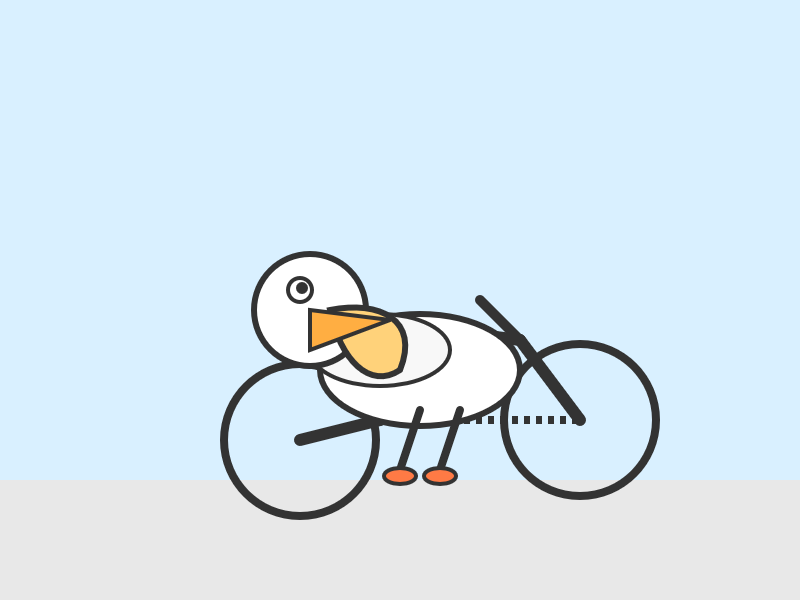
这是我使用 LM Studio 的模型 18.16 GB 版本生成的一只鹈鹕:
我还使用 llm-coding-agent 插件测试了它:针对一个刚刚检出的 Datasette 代码库运行,并使用以下提示词:
how does auth work?
这是它的回答,位于一份很长的记录末尾;该记录展示了它为探索代码库而进行的全部工具调用。我使用 llm-lmstudio 运行这项测试,并应用了这个补丁,以将其升级为兼容 LLM 0.32。
我很喜欢这种规模的模型,因为如果一台机器拥有 32 GB 或更多内存(我的机器有 128 GB),它还能为同时运行其他应用程序留出充足空间。
Glimmer 是一个视觉模型,因此我让它描述这张图片:
llm -m lmstudio/meta/muse-glimmer -a https://static.inaturalist.org/photos/714731804/large.jpg 'describe image'
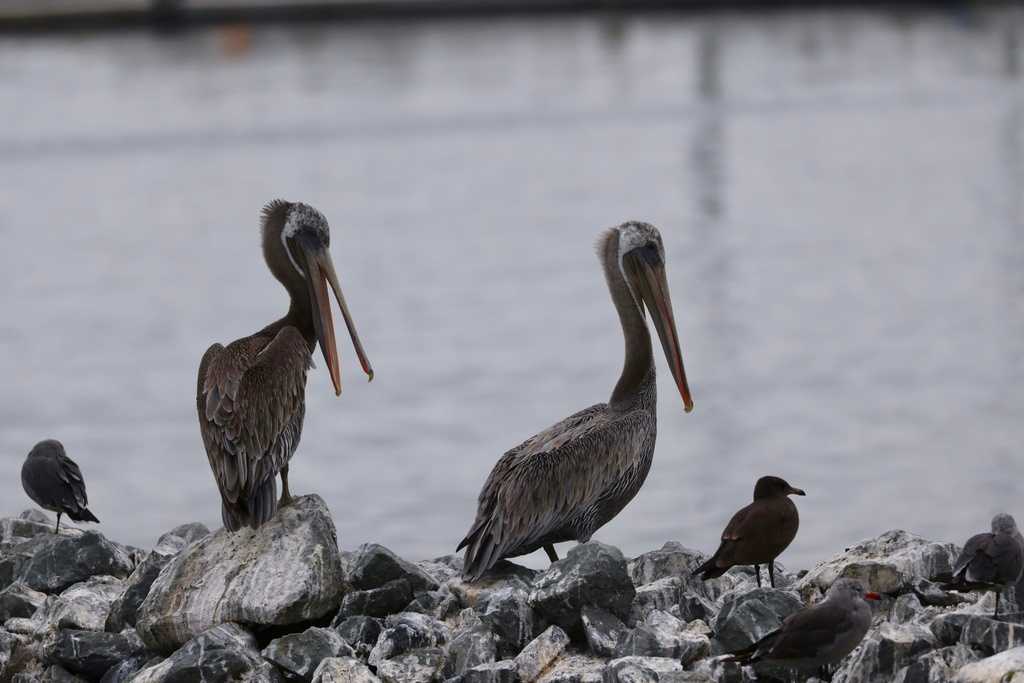
这张照片拍摄于阴天,画面是一段由岩石构成的防波堤式海岸线,水面平滑、呈灰色,柔焦背景中还能隐约看见码头或栈桥的轮廓。
前景中,两只大型褐鹈鹕,Pelecanus occidentalis,栖息在杂乱的灰白色石块上。它们具有该物种典型的特征:向下弯曲的长黄橙色喙、硕大的喉囊、细长的颈部,以及背部和翅膀上斑驳的棕灰色羽毛。左侧的鹈鹕略微转向镜头,看起来像是在梳理羽毛,或让喙抵在胸前休息;其头顶和后颈处可见浅白色斑块,还有一小撮竖起的冠羽。右侧的鹈鹕大致面朝前方和右方,抬着头,喙向右下方指去;它同样有浅色头部斑纹,条纹状、较深色的翼羽也清晰可见。
两只鹈鹕周围的岩石间散布着数只体型小得多的深色鸟类——类似海鸥或燕鸥,羽毛呈低饱和的棕灰色。一只深色鸟停在最左侧的一块岩石上,另一只棕色鸟站在右侧鹈鹕的右边;右下角前景中有一只灰色、红色喙的鸟,而画面最右边缘还有另一只小型深色鸟。
整体光线平淡而漫射,使水面和天空呈现低饱和、近乎单色的色调,并与富有纹理的岩石及鹈鹕细致的羽毛形成对比。构图将两只大型鸟类置为主体,并以平静的水面和低矮的岩石栖处作为背景。
English / 原文
Introducing Muse Glimmer (via) Meta are back in the open weights game! Muse Glimmer is a brand new 30B model under a clean Apache 2.0 license (a step up from the janky Llama licenses of old).
They claim to have optimized it for exactly the kind of things I'm looking for in a local model:
- End-to-end Agentic Task Completion. Muse Glimmer achieves strong success rates on full-task benchmarks including DeepSearch QA, MCP-Atlas, 𝛕-Bench and SWE-Bench, which measure its ability to work within scaffolds, write and debug code, and resolve multi-turn requests from start to finish.
- Reliable Tool Use. The model handles a wide range of function calls, invoking tools with precise schemas throughout extended workflows.
- Multi-Step Reasoning. Muse Glimmer chains reasoning over long horizons, sustaining coherent plans across complex, extended workflows. [...]
Here's a pelican which I generated using LM Studio's 18.16 GB version of the model:
I also tried it out with my llm-coding-agent plugin, running against a fresh checkout of Datasette with the prompt:
how does auth work?
Here's the response, at the end of a long transcript showing all of the tool calls it made to explore the codebase. I ran this using llm-lmstudio with this patch applied to upgrade it for compatibility with LLM 0.32.
I really like this size of model, because if a machine has 32 GB of RAM or more (mine has 128GB) it leaves plenty of space for running other applications at the same time.
Glimmer is a vision model, so I asked it to describe this image:
llm -m lmstudio/meta/muse-glimmer -a https://static.inaturalist.org/photos/714731804/large.jpg 'describe image'
Here's what I got back:
The photograph shows a rocky, breakwater-style shoreline on an overcast day with a smooth, gray body of water and a faint dock/pier line in the soft-focused background.
In the foreground two large brown pelicans, Pelecanus occidentalis , are perched on the jumbled gray-white stones. They have the species’ characteristic long, down-curved yellow-orange bills with a large throat pouch, long slender necks and mottled brown-gray plumage on the back and wings. The pelican on the left is turned slightly toward the camera and appears to be preening or resting its bill against its chest; a pale, whitish patch is visible on the crown and nape and a small crest of feathers is raised. The pelican on the right faces mostly forward/right, its head up, bill pointing down and to the right, with the same pale head markings and the barred, darker wing feathers clearly visible.
Scattered among the rocks around the two pelicans are several much smaller dark birds — gulls/tern-like birds in muted brown-gray plumage. One dark bird sits on the far left on a rock, another brownish bird stands to the right of the right-hand pelican, a grayish bird with a reddish bill is in the lower right foreground, and a further small dark bird is at the extreme right edge of the frame.
The overall light is flat and diffused, giving the water and sky a muted, almost monochromatic palette that contrasts with the textured rock and the detailed feathering of the pelicans. The composition places the two big birds as the dominant subjects, framed against the calm water and the low, rocky perch.