50 个开源项目带来的启示:AI 时代如何做好安全
英文标题:🔶 What 50 open source projects taught us about security in the AI era
GitHub Secure Open Source Fund 第四期向 50 个开源项目投入超过 50 万美元,协助维护者通过安全专家、GitHub 工具、AI 辅助工作流和同行社区提升安全能力。项目数据显示,92% 的参与项目启用了密钥扫描、代码扫描、受保护分支、私密漏洞报告和 Dependabot 等核心 GitHub 安全功能。维护者认为,AI 能加快漏洞调查、优先级排序和响应,但发布决策仍依赖维护者的上下文理解、判断力与责任承担。该计划表明,AI 安全并非独立领域,而正成为开源软件安全工程、供应链治理和事件响应的一部分。
 75.6 KB
 33.6 KB
 84.8 KB
 40.0 KB
 58.0 KB
 27.6 KB
 124.7 KB
 50.1 KB
 75.4 KB
 34.5 KB
 67.7 KB
 32.0 KB
 84.0 KB
 40.3 KB
 130.2 KB
 28.8 KB
 162.6 KB
 123.1 KB
 70.6 KB
 133.1 KB
中文
AI 正在改变开源开发的节奏,也改变了随之而来的安全挑战。维护者需要审查陌生的贡献、管理新的攻击面,并在有限的时间和资源下响应漏洞。
GitHub Secure Open Source Fund 第四期测试了一种务实的应对方式。Secure Fund 向 50 个项目投入了超过 500,000 美元,为维护者配备了 GitHub Security Lab 专家、GitHub 安全工具、AI 辅助工作流以及同行社区。
一项经验反复得到验证: AI 可以帮助维护者更快地调查、确定优先级并作出响应。但决定哪些内容可以发布所需的上下文、判断力和问责责任,仍由维护者承担。
OpenClaw 受邀参加第四期计划,是因为它是 GitHub 增长最快的开源项目,而其维护者希望加强项目的安全态势。
到第四期结束时,OpenClaw 已制定事件响应计划,扩大了对 GitHub 安全工具的使用范围,审计了其 GitHub Actions 工作流,并强化了识别和响应安全问题的流程。
维护者表示:
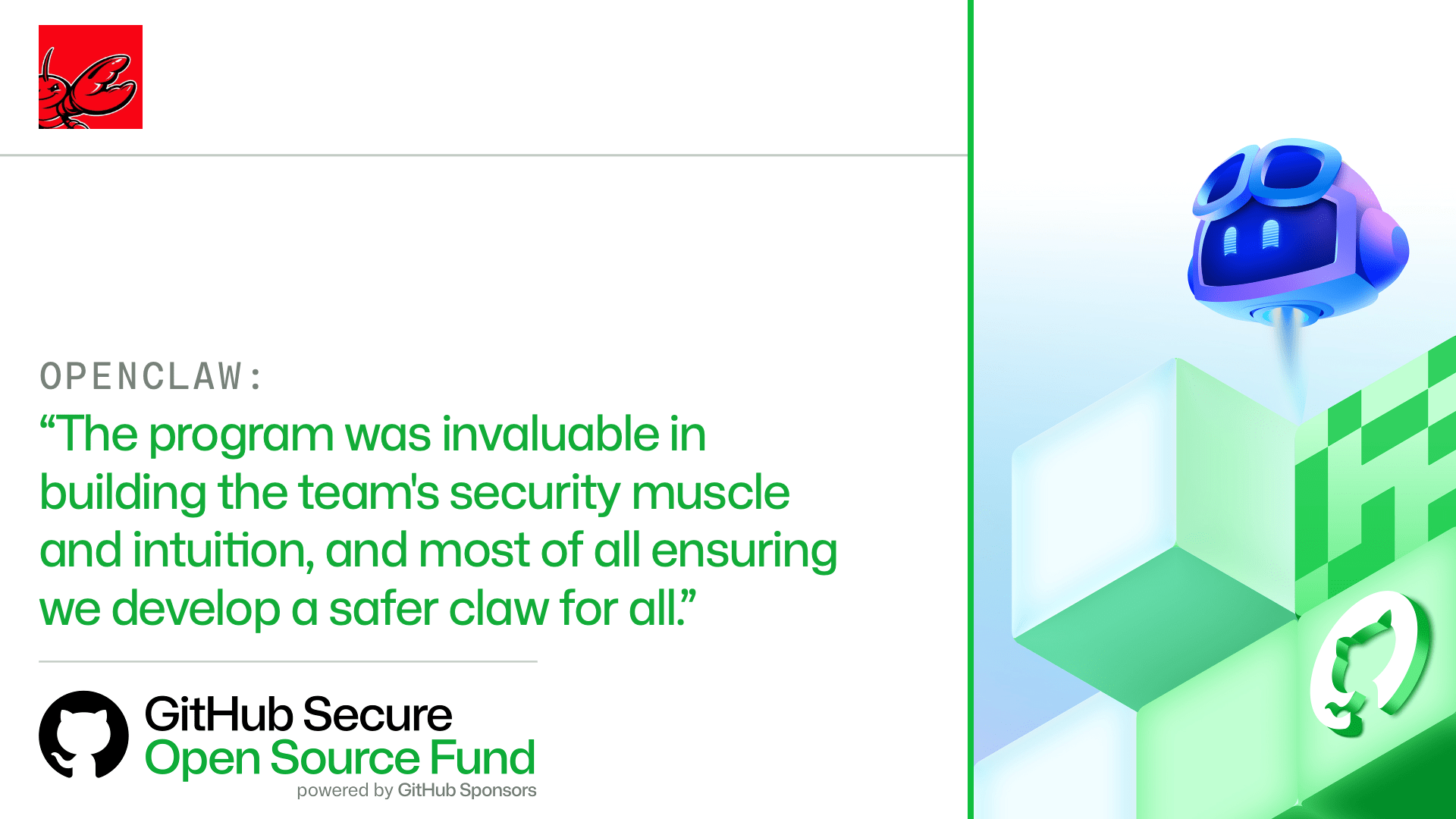

OpenClaw 的经历反映了第四期计划更广泛的故事。尽管参与项目面临的具体风险各不相同,但维护者有着一致的需求:在 AI 改变软件构建方式之际,他们需要知识、工具和专家支持来保障软件安全。
在整个计划中,维护者将这些支持转化为具体的安全改进。项目强化了既有实践,为新兴的 AI 相关风险做好准备,并探索了 GitHub Copilot 等工具如何支持漏洞分类、威胁建模、代码审查和修复工作。

这些益处不仅限于单个项目。当维护者加强被广泛使用的开源软件的安全性时,他们也在为所有依赖这些软件的人构建一个更具韧性的生态系统。
第四期计划数据一览
- 50 个项目
- 71 名维护者
- 22 个国家
- 通过 GitHub Sponsors 提供的 500,000 美元以上非稀释性资金
- 92% 的项目完成计划时已启用 GitHub 核心安全功能——密钥扫描、代码扫描、受保护分支、私密漏洞报告和 Dependabot
- 了解更多信息或为你的项目启用这些安全功能。
所有期次的安全成果:
截至 2026 年 8 月,在所有 GitHub Secure Open Source Fund 期次及后续跟踪期间:
- 来自 42 个国家的 188 个项目和 290 名维护者参与了计划
- GitHub、Microsoft 和外部资金合作伙伴已通过 GitHub Sponsors 提供并分发 188 万美元。
- 参与项目已识别并披露 533 个新的 CVE,完成超过 1,500 项 Dependabot 安全更新,并解决超过 650 个暴露的密钥问题。
- 在截至 2026 年 7 月的最近六个月中,参与项目和往届项目修复了 4,210 条 CodeQL 告警,并阻止 119 个密钥被暴露。
GitHub Secure Open Source Fund 的运作方式
GitHub Secure Open Source Fund 将资金直接与可衡量的安全成果挂钩。该计划结合了动手实践的安全教育、与 GitHub Security Lab 专家的直接交流,以及一个可信社区,让维护者能够与同行共同解决安全挑战。
每一期都是为期三周的冲刺与参与活动,整体跟进周期共 12 个月。资金和参与资格都直接与成果导向的目标及经验证的安全改进挂钩。
冲刺活动由 GitHub Security Lab设计和策划,并由 GitHub 及其合作伙伴的安全专家提供培训。培训按周划分不同的重点领域。
包括:
- 开源安全基础
- 威胁建模与安全编码
- AI 安全与漏洞管理
在整个计划期间,每个项目可通过 GitHub Sponsors 获得 10,000 美元资金(其中冲刺期间为 6,000 美元,6 个月和 12 个月的安全检查时各为 2,000 美元)。项目将受邀加入新的安全主题社区,并可在完整的 12 个月期间参与 GitHub Security Lab 的办公答疑时间。他们还将获得可立即在项目中实施的安全资源,以及用于云基础设施的 Azure 积分。
第四期计划中的安全工作覆盖领域
第四期计划专注于提升开发者每天依赖的系统的安全性。以下项目按其在软件生态系统中所发挥的作用分组。
AI、机器学习和智能系统 🤖
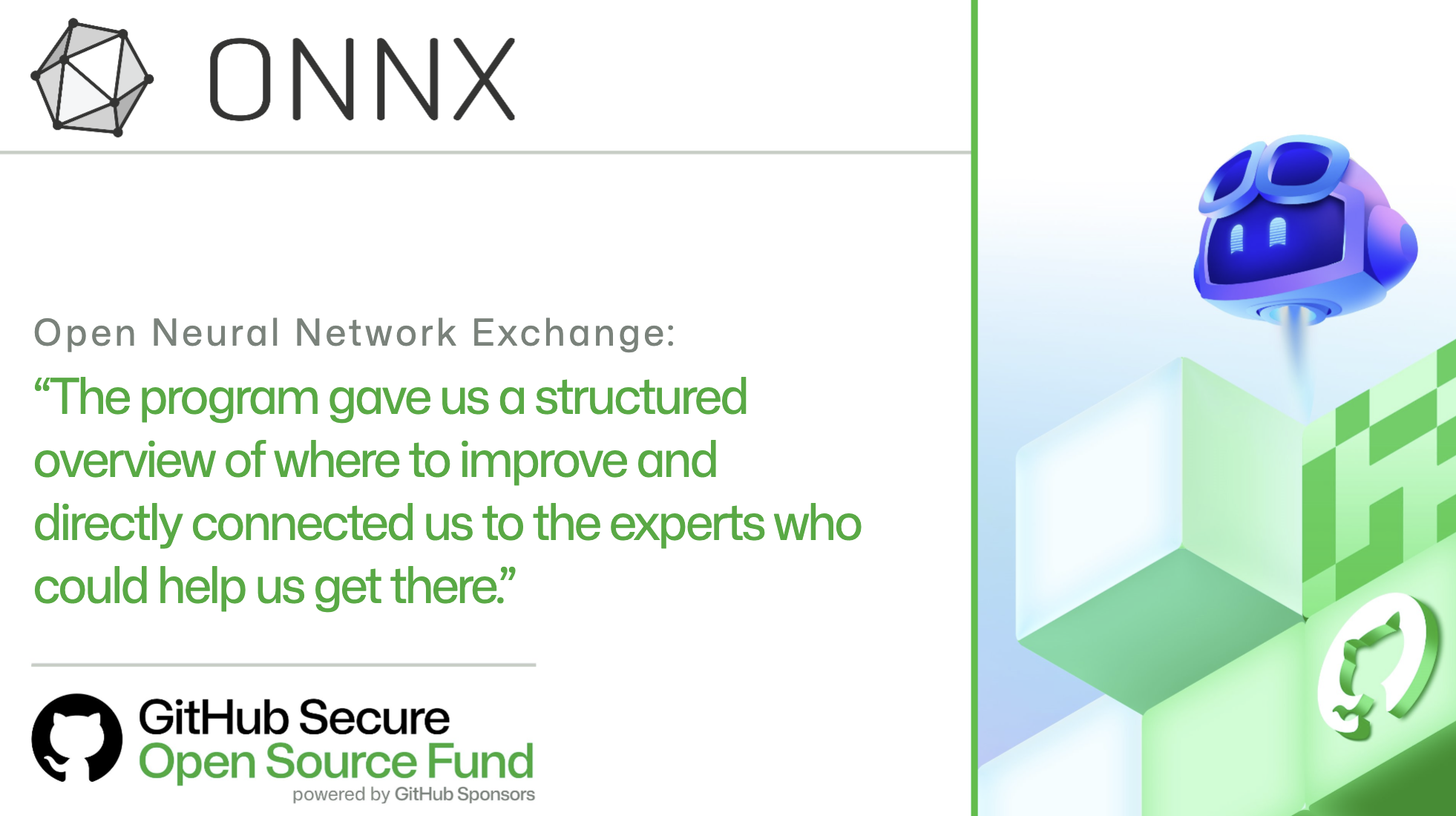
Caracal • Deep Agents • DocsGPT • LadybugDB • LangChain • n8n-MCP • Nasiko • ONNX • OpenClaw • PageIndex • Scenic • Serena
这些项目位于 AI、自动化、数据基础设施和机器学习的交汇点。它们日益成为现代 AI 工作流和生产部署的基础组件。随着 AI 应用加速普及,这些项目的安全改进将有助于为新兴 AI 生态系统奠定更坚实的基础。


browserslist • CycloneDX Python Library • Cucumber • golangci-lint • JReleaser • postcss • Task
这些项目帮助开发者在多样化环境中测试、验证、打包、发布和维护软件。这组工具影响着从软件物料清单、发布流水线,到代码质量和测试自动化的一切工作。


核心编程语言、运行时和基础库 📚
Byte Buddy • core-js • FS2 • Gleam • htmx • Pkl • Pyodide • termcolor
这些项目帮助定义软件如何被编写、配置、执行和扩展。这一层的改进会向下游传导,惠及数千个应用程序和开发者生态系统。
基础运行时和库的安全改进,可以延伸至依赖它们的众多工具和应用。


cheerio • Ciphey • CodeRunner • Hoppscotch • MapStruct • Python Pillow • Proyecto Respira • Readest • ToolJet • Vuetify • Yjs
这些项目塑造了构建、测试、协作开发和使用软件的日常体验。其中许多是广泛采用的实用工具、应用程序和平台,遍布开发者环境及应用技术栈。
这一组项目支持 API 开发、低代码平台、协作应用、内容处理和软件交付工作流。当基础设施项目变得更具韧性时,其益处将远超单一应用,并强化整个技术生态系统。


Web、网络、API 和基础设施服务 📊
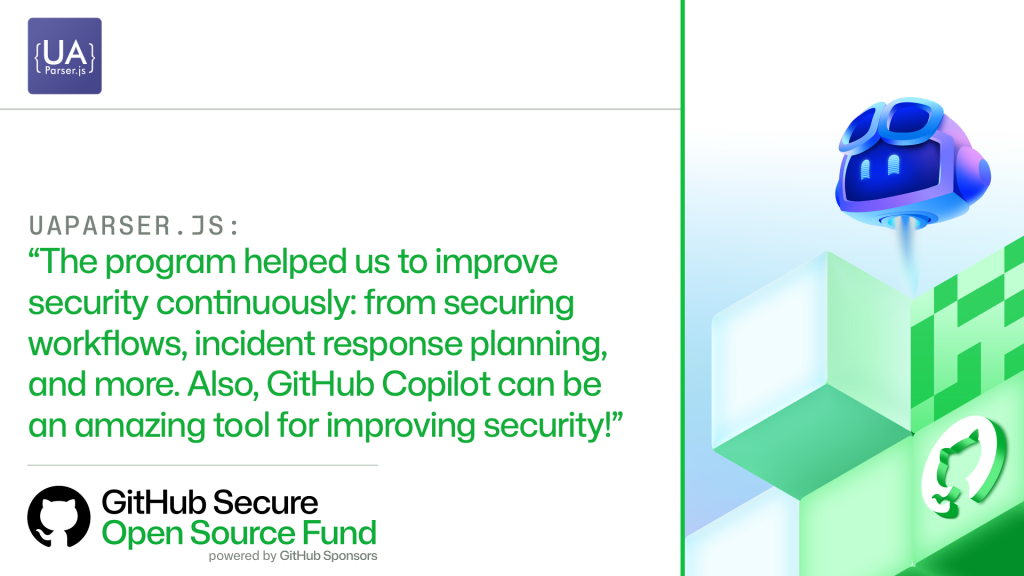
actix-web • aiohttp • Apache Solr • Apache ZooKeeper • etcd • FastAPI • Haraka • Hummingbird • mimetype • Sniffnet • Starlette • UAParser.js
这些项目构成互联网运营骨干的一部分。它们处理 API、网络、搜索、消息传递、服务协调和分布式系统基础设施,并受到全球组织的依赖。
这组项目包含处在现代云应用和互联网服务关键路径上的技术。


作为共同前沿的 AI 安全
AI 相关的安全问题出现在第四期计划的各类项目中,涵盖机器学习基础设施、Agent 框架、开发者工具和互联网基础设施。
与此同时,既有的安全职责并未消失。维护者仍需管理漏洞、保护依赖项、保障发布工作流,并为事件做好准备。AI 引入了新的风险,也提高了维护者理解并响应这些风险所需的速度要求。
第四期计划的经验十分明确:AI 安全并不是孤立演进的。它正成为构建安全软件这一更广泛实践的一部分。随着这一转变持续推进,维护者将需要能够与他们共同演进的实用教育、可信社区和专家支持。

感谢所有合作伙伴
没有我们卓越的合作伙伴网络,我们无法完成这些工作。我们正携手为每个人保障开源生态系统的安全!
资金合作伙伴: Alfred P. Sloan
English / 原文
AI is changing the pace of open source development and the security challenges that come with it. Maintainers are reviewing unfamiliar contributions, managing new attack surfaces, and responding to vulnerabilities with limited time and resources.
Session 4 of the GitHub Secure Open Source Fund tested a practical response. The Secure Fund invested more than $500,000 across 50 projects , pairing maintainers with GitHub Security Lab experts, GitHub security tools, AI-assisted workflows, and a peer community.
One lesson emerged consistently: AI can help maintainers investigate, prioritize, and respond faster. Maintainers still provide the context, judgement, and accountability required to decide what ships.
OpenClaw was invited to participate in Session 4 because it is GitHub’s fastest-growing open source project, and its maintainers wanted to strengthen its security posture.
By the end of Session 4, OpenClaw developed an incident response plan, expanded its use of GitHub security tooling, audited its GitHub Actions workflows, and strengthened its processes for identifying and responding to security issues.
The maintainers shared:

OpenClaw’s experience reflects the broader story of Session 4. While the specific risks varied across the cohort, maintainers shared a consistent need: the knowledge, tools, and expert support to secure software as AI changed how they built it.
Across the program, maintainers turned that support into concrete security improvements. Projects strengthened established practices, prepared for emerging AI-related risks, and explored how tools like GitHub Copilot could support vulnerability triage, threat modeling, code review, and remediation.

The benefits extend beyond individual projects. When maintainers strengthen the security of widely used open source software, they help build a more resilient ecosystem for everyone who depends on it.
Session 4, by the numbers
- 50 projects
- 71 maintainers
- 22 Countries
- $500,000+ in non-dilutive funding powered by GitHub Sponsors
- 92% of projects completed the program with core GitHub security features enabled–secret scanning, code scanning, protected branches, private vulnerability reporting, Dependabot
- Learn more or enable these security features for your own project.
Security results across all sessions:
Across all GitHub Secure Open Source Fund Sessions and follow-up periods through August 2026:
- 188 projects and 290 maintainers have participated across 42 countries
- GitHub, Microsoft, and external funding partners have contributed $1.88 million , distributed through GitHub Sponsors.
- Participating projects have identified and disclosed 533 new CVEs, performed more than 1,500 Dependabot security updates, and resolved more than 650 exposed secrets.
- During the last six months ending in July 2026, participating and Alumni projects fixed 4,210 CodeQL alerts and blocked 119 secrets from being exposed.
How the GitHub Secure Open Source Fund works
The GitHub Secure Open Source Fund links funding directly to measurable security outcomes. The program combines hands-on security education, direct engagement with GitHub Security Lab experts, and a trusted community where maintainers can work through security challenges with their peers.
Each session is a three-week sprint and engagement for a total of 12 months. Funding and participation are tied directly to outcome‑driven goals and verified security improvements.
The sprint is designed and curated by the GitHub Security Lab, and delivered by security experts from GitHub and our partners. The training is structured into different focus areas per week.
These include:
- Foundations of open source security
- Threat modeling and secure coding
- AI security and vulnerability management
Throughout this program, each project receives $10,000 USD via GitHub Sponsors (which breaks down to $6,000 USD during the sprint and $2,000 USD at six- and 12-month security check-ins). Projects are invited to a new security-focused community and office hours with the GitHub Security Lab, which they can take advantage of during the full 12 months. They also receive security resources to immediately implement in their project and Azure credits for cloud infrastructure.
Where security work happened in Session 4
Session 4 focused on improving security across the systems developers rely on every day. The projects below are grouped by the role they play in the software ecosystem.
AI, machine learning, and intelligent systems 🤖
Caracal • Deep Agents • DocsGPT • LadybugDB • LangChain • n8n-MCP • Nasiko • ONNX • OpenClaw • PageIndex • Scenic • Serena
These projects sit at the intersection of AI, automation, data infrastructure, and machine learning. They increasingly serve as foundational components for modern AI workflows and production deployments. As AI adoption accelerates, security improvements in these projects help establish stronger foundations for emerging AI ecosystems.


browserslist • CycloneDX Python Library • Cucumber • golangci-lint • JReleaser • postcss • Task
These projects help developers test, validate, package, release, and maintain software across diverse environments. Tools in this group influence everything from software bills of materials and release pipelines to code quality and testing automation.


Core programming languages, runtimes, and foundational libraries 📚
Byte Buddy • core-js • FS2 • Gleam • htmx • Pkl • Pyodide • termcolor
These projects help define how software is written, configured, executed, and extended. Improvements at this layer flow downstream to thousands of applications and developer ecosystems.
Security improvements in foundational runtimes and libraries can extend downstream to the many tools and applications that depend on them.


cheerio • Ciphey • CodeRunner • Hoppscotch • MapStruct • Python Pillow • Proyecto Respira • Readest • ToolJet • Vuetify • Yjs
These projects shape the everyday experience of building, testing, collaborating on, and using software. Many serve as widely adopted utilities, applications, and platforms that appear throughout developer environments and application stacks.
Together, this group supports API development, low-code platforms, collaborative applications, content processing, and software delivery workflows. When infrastructure projects become more resilient, the benefits extend far beyond a single application and strengthen entire technology ecosystems.


Web, networking, APIs, and infrastructure services 📊
actix-web • aiohttp • Apache Solr • Apache ZooKeeper • etcd • FastAPI • Haraka • Hummingbird • mimetype • Sniffnet • Starlette • UAParser.js
These projects form part of the internet’s operational backbone. They handle APIs, networking, search, messaging, service coordination, and distributed systems infrastructure relied on by organizations around the world.
This group includes technologies that sit on the critical path of modern cloud applications and internet services.


AI security as a shared frontier
AI-related security questions appeared across projects in Session 4, from machine learning infrastructure and agent frameworks to developer tools and internet infrastructure.
At the same time, established security responsibilities did not go away. Maintainers still needed to manage vulnerabilities, secure dependencies, protect release workflows, and prepare for incidents. AI introduced new risks and increased the speed at which maintainers needed to understand and respond to them.
The lesson from Session 4 is clear: AI security is not evolving in isolation. It is becoming part of the broader practice of building secure software. As that shift continues, maintainers will need practical education, trusted communities, and expert support that can evolve with them.

Thank you to all of our partners
We couldn’t do this without our incredible network of partners. Together, we are helping secure the open source ecosystem for everyone!
Funding Partners: Alfred P. Sloan Foundation, American Express, Chainguard, Datadog, Herodevs, Kraken, Mayfield, Microsoft, Shopify, Stripe, Superbloom, Vercel, Zerodha, 1Password

Ecosystem Partners : Atlantic Council, Ecosyste.ms, CURIOSS, Digital Data Design Institute Lab for Innovation Science, Digital Infrastructure Insights Fund, Microsoft for Startups, Mozilla, OpenForum Europe, Open Source Collective, OpenUK, Open Technology Fund, OpenSSF, Open Source Initiative, OpenJS Foundation, University of California, OWASP, Santa Cruz OSPO, Sovereign Tech Agency, SustainOSS