微软、OpenAI未能阻止披露承认抓取如同盗窃的内部文件
英文标题:🔶 Microsoft, OpenAI lose fight to hide internal docs admitting scraping is theft
新闻机构称,微软和 OpenAI 无视内部人士对“抓取新闻等同盗窃”的警告,未选择授权内容,并在新闻机构未曾预料的市场中攫取其利益。诉状指控微软将为 Bing 购买的数据集转作 OpenAI 训练数据,且 OpenAI 使用了包含 180 万篇文章、原本限制商业用途的《纽约时报》数据集。新闻机构警告,若法院不明确要求 AI 公司取得新闻内容授权,新闻出版商及 AI 企业都可能陷入内容生产被破坏的“末日循环”。此案凸显了生成式 AI 训练数据的版权许可、数据用途变更及新闻行业流量流失等关键争议。
 154.5 KB
 567.8 KB
 300.3 KB
 474.0 KB
 49.5 KB
 205.2 KB
 37.9 KB
 2.4 KB
 48.3 KB
 1.0 MB
中文
新闻机构同样感到不满:面对内部人士关于抓取新闻等同盗窃的警告,微软和 OpenAI 并未选择为内容取得授权;据称,它们还以新闻机构无法预料的方式,在另一个市场中攫取了后者的利益。
具体而言,相关动议指控微软违反了“行业规范”:微软将为 Bing 购买的数据集作为 OpenAI 的训练数据出售,据称在此过程中没有咨询新闻机构。这些新闻机构原本不会同意,将其对基础搜索引擎爬取所给予的许可,被重新用于这一目的。此外,据称 OpenAI 从第三方获得了一份包含 180 万篇文章的《纽约时报》数据集,而该第三方受协议约束,数据不得用于商业用途。新闻机构指称,OpenAI 员工知道将这些数据“用于训练模型”“并不合适”,但仍然这样做了。
新闻机构表示,问题不仅在于微软和 OpenAI,还在于所有效仿它们、对其内容“搭便车”的 AI 公司。最值得注意的是,在 ChatGPT 推出后,Google 的 AI Overviews 很快上线,并开始吸收此前流向新闻网站的更多流量。
新闻原告方主张,如果法院不明确 AI 公司必须为新闻内容取得授权,新闻出版商和 AI 公司都可能走向毁灭。它们指出,微软一份内部文件认同,“确实存在一种‘真实风险’,即生成式 AI 可能会‘显著扰乱’”那些“生成了基础模型训练所依赖数据的人”的就业。它们称,微软甚至制作了一幅漫画,说明 LLM 破坏自身供应链的问题:
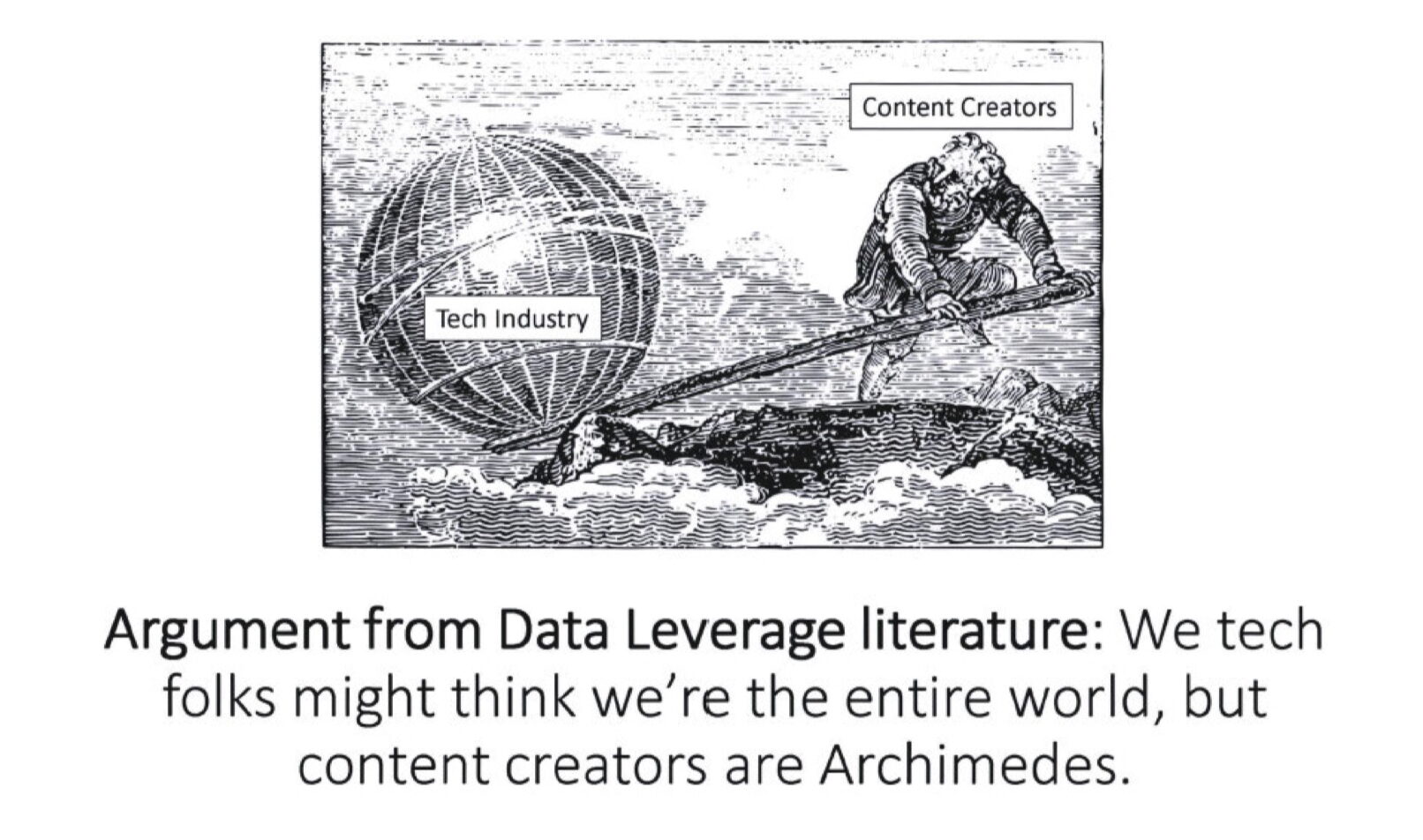
微软内部文件中的漫画。
微软内部文件中的漫画。
来源:新闻原告方
“AI 公司仍无力摆脱这一‘末日循环’,因为尽管如果每家公司都付费维持其技术所依赖的创意作品持续产出,整个行业都会受益,但对每一家个体公司而言,在由其他公司付费时免费获取内容更符合自身利益,”新闻机构主张。
作为这种盲目贪婪的证据,其动议强调,Brockman 曾写道,他“深受商业化 OpenAI 技术可带来的数不清巨额收益所驱动”。
新闻机构表示:“认定为 AI 复制新闻不构成合理使用,将通过让包括 OpenAI 和微软在内的所有 AI 公司处于公平竞争环境中,解决这一囚徒困境。”
本文已更新,加入《纽约每日新闻》法律顾问 Steven Lieberman 的引述。
English / 原文
News groups are also upset that instead of listening to insiders warning that scraping news was theft, Microsoft and OpenAI never chose to license content, allegedly usurping them in another market in ways they couldn’t anticipate.
Specifically, their motion accused Microsoft of violating “industry norms” by selling a dataset purchased for Bing as training data for OpenAI, allegedly doing so without consulting news groups that would not have approved of that repurposing of their consent to basic search engine crawling. Further, OpenAI allegedly “acted improperly” by obtaining a NYT dataset with 1.8 million articles from a third party that was bound to an agreement that the data wouldn’t be used for commercial purposes. OpenAI’s employees knew it “would not be appropriate” to use that data “to train a model,” but they did it anyway, news groups alleged.
For news groups, the problem isn’t just Microsoft and OpenAI, but all the AI firms that are following their lead in “free-riding” on their content, the motion said. Most notably, after ChatGPT’s launch, Google’s AI Overviews was quickly introduced and started absorbing even more traffic that previously went to news sites.
If courts don’t clarify that AI firms must license news content, both news publishers and AI firms could be doomed, news plaintiffs argued. One Microsoft internal document agreed that “there is a ‘real risk’ that GenAI could ‘significantly disrupt’” the “employment of the very people who generated the data on which the foundation model was trained,” they noted. Microsoft even included a cartoon illustrating the problem of LLMs destroying their own supply chains, they said:
Cartoon in a Microsoft internal document.
Cartoon in a Microsoft internal document.
Credit: via News Plaintiffs
“AI companies remain powerless to break out of this ‘doom loop,’ because, while the industry as a whole would benefit if every company paid to sustain the continued production of the creative works their technology depends on, each individual company is better off taking content for free while others pay,” news groups argued.
As evidence of this blind greed, their motion emphasized that Brockman wrote that he was “deeply motivated by the gazillions” that could be gained by commercializing OpenAI’s technology.
“Finding that copying news for AI is not fair use would solve this prisoners’ dilemma by putting all AI companies, OpenAI and Microsoft included, on an even footing,” news organizations said.
This story was updated with a quote from New York Daily News counsel Steven Lieberman.